7 min read
Keeping Lettuce on the Table Through Summer
Stretch the lettuce season with small sowings, afternoon shade, and a plan for the weeks when the plants want to flower.
On this page
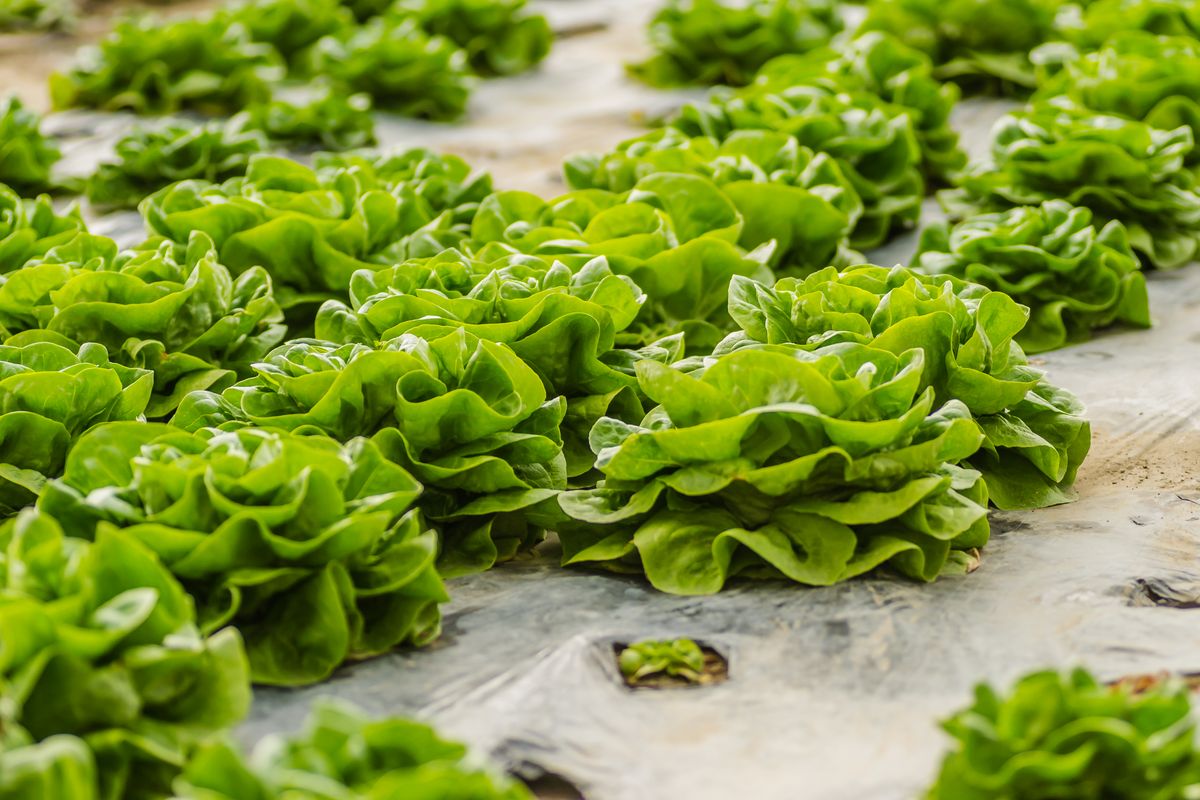
The lettuce that grows in June does not behave like the lettuce you sow in early spring. Warm days and long daylight can push it to send up a flower stalk. Dry roots make matters worse, and new seeds may refuse to germinate in hot soil. It is possible to harvest good leaves across much of the summer, but the plan works better if you expect to move the next sowing, change the variety, or take a short break when nights stay hot.
Before changing anything, look at the lettuce that went past its best the previous summer. If it had a tall central stem and bitter leaves, it was probably bolting. If the center stayed low but the margins of young leaves browned, the problem may have been tipburn. Leaves that wilted at midday but recovered by evening tell a different story again. Each symptom gives you a reason to try a particular adjustment.
Plan for more than one kind of harvest
Choose varieties described as slow to bolt or tolerant of heat, then grow two side by side. Many looseleaf lettuces are ready to pick while small, giving you time to harvest before a heat wave. Certain summer crisp and romaine varieties can hold their quality longer in some climates, but a label cannot tell you how a plant will respond to your combination of hot nights, wind, and shade. Start with a modest row of each and note which plant first develops a raised center.
Head lettuce asks for more room and more time. Grow it if you have a cool window long enough for a head to mature. In the hottest part of the season, use the same space for leaf lettuce you can harvest at several sizes. A head that has reached the size you want is worth cutting before a hot spell. Extra days can improve a growing head when the weather is mild. The same wait can turn a good head tough and bitter.
Do not buy several more packets before you know what your household can use. Estimate how many salads you make in a week and sow a row short enough that you can pick it on two or three visits. Seedlings from that row will be different sizes if the moisture is uneven, so spend the extra effort preparing the seedbed. A narrow strip that is level and finely crumbled is easier to water evenly than several feet of rough soil.
Give the summer bed a different address
In spring, a fully exposed bed warms early. By midsummer, a spot that gets several hours of direct morning sun and shelter from the strongest afternoon light is often more productive. Look behind taller vegetables in late afternoon. The shade beside a bean trellis can be enough, provided the lettuce has its own root space and does not sit in dry soil under the trellis. A moveable container makes this test easier. Set it in the proposed spot on a bright day and check both the light and the temperature of the sides.
Shade cloth is an option where the bed cannot move. Put it on hoops or another secure frame above the leaves so air can pass through. A moderate shade cloth filters the strongest light while leaving enough for good growth. Orient the cloth to cover the bed from the afternoon sun, which often enters low from the side. An opening along a protected edge allows easy watering and inspection. A clear cover used for warming a spring bed has the opposite effect and can overheat the plants in summer.
Check conditions after you install the cover. If the soil takes all day to dry after rain and the plants look stretched, the bed may now be getting too little light or air. If the plants still collapse in late afternoon and the mix is hot and dry below the surface, look at how much of the bed the shade actually reaches. A digital thermometer near the plant canopy can help compare two sites, but looking at healthy and struggling plants in each spot gives useful evidence too.
Sow a little before you need the next crop
Keep a dated label at each sowing. Plant new seed every one to two weeks while conditions are suitable and adjust once you see how long each patch produces. Lettuce seeds are small. Press them against damp mix and cover lightly according to the packet. A deep layer can limit light and delay emergence for some varieties. Use a watering rose or a fine mist so the seeds stay where you placed them. Keep that shallow layer moist until germination.
If the outdoor surface heats up too much for good germination, start seed in cells in a cooler, bright place. A covered tray on a sunny window can become very hot, so check it rather than assuming indoors means cool. Remove any cover as soon as seedlings appear and provide good light. Move them outdoors gradually, and transplant on a mild or cloudy day when they are sturdy enough to handle. Put a cell grown seedling at about the same depth it was growing before. A buried crown can rot.
Thin for the size you plan to harvest. A dense planting can work briefly for baby leaves, but full plants need the room stated for the variety. If a summer sowing fails to come up, examine the surface before sowing it again. A hard crust, a dry container, or seed buried by a sudden downpour can cause as much trouble as temperature. Try a few seeds in a cooler container or a fresh strip and compare before using the rest of the packet.
Keep the bed evenly moist
Lettuce has shallow roots. Check the soil beneath the surface more often when the weather is hot and dry. Water deeply enough to reach the root zone, but avoid holding the soil wet continuously. A container may need a check every day. A bed with a thin layer of mulch around established plants may need less frequent watering. Leave the crowns exposed. If slugs hide in the mulch and start chewing new leaves, thin it out and inspect in the evening.
Brown edges on the newest leaves inside a fast growing head can be tipburn. It is related to calcium delivery within the leaf, and growth rate, heat, and water conditions can all play a part. Check that the soil is moist without being saturated and keep the crop growing steadily. A nutrient spray or extra calcium may do little when the root zone already supplies enough. Compare how open and crowded plants respond before treating the whole bed.
Ragged holes, slime, and damage that appears overnight suggest looking for slugs. Aphids can cluster deep in the loose folds near the growing point. Where damage is minor, wash the harvested leaves under running water and sort them carefully. If you see a recurring insect problem, identify it and check local guidance before treating an edible crop. A cool morning spent looking under a handful of leaves is more informative than a spray applied to a symptom you have not identified.
Pick by the condition of the leaves
Keep a small basket in the shade while you work. A dark tray on hot paving can warm freshly picked leaves before you finish the row. If a bunch contains both loose leaves and a firm head, store the two separately so the heavier head does not bruise the loose leaves. Pick only what you expect to use soon during the weeks when the next row is already coming into production.
For repeat harvests, take a few sound outer leaves from each plant and leave the center growing. Pick with clean hands or scissors, and avoid tearing down into the crown. Where you sowed a patch of baby lettuce, cut leaves high enough to leave the growing point if you want to try for another small flush. The quality and speed of regrowth depend on heat and variety. Pull an exhausted patch and start fresh when the leaves are consistently small, tough, or bitter.
Early morning is a practical time to harvest. The leaves are often crisp and you can get them out of the heat quickly. Cool them promptly. Wash under running water before use and dry them well so salad dressing adheres. Harvest from the plants that are closest to maturity before working through the younger row. This keeps the oldest plants from spending their best days while you thin the new ones.
Water the seed row and then check it after the hottest part of the day. If the surface dries long before the root zone does, the seeds need a different watering rhythm from the established heads beside them.
Once a flower stem is rising, shading and watering will rarely put the plant back into leaf production. Taste a small leaf to judge whether the rest is worth keeping. Let a healthy plant flower in a spare corner if you want to observe seed development, or pull it to free the bed. Make a note of the conditions when the bolting started. If every planting stalled for three weeks in midsummer, plan the next season around a deliberate gap. A fresh sowing as nights cool can give you a more reliable autumn harvest than repeated attempts during the hottest days.
Back to top