7 min read
Growing Cilantro in Cool Weather
Sow small batches in mild weather and decide which plants to keep for leaves and which to let set coriander seed.
On this page
The moment a cilantro plant sends up its tall flowering stalk, the broad leaves you wanted start to disappear. Fine, feathery leaves develop on the upper stems and the flavor changes. That shift is normal. The best way to keep fresh leaves on hand is to have another sowing ready before the oldest row reaches that point. A short, regularly sown row fits the crop better than a big planting that you expect to cut all summer.
Cilantro and coriander come from the same plant. The leaf crop is generally called cilantro and the dried fruits used as a spice are called coriander seed. You can grow the plant for either one. A leaf grower wants time before flowering. A seed grower wants the flowers and a dry spell while the seed heads mature. Decide which you need before using the same space for both.
Use the coolest productive part of your season
In a temperate garden, spring and fall commonly offer good conditions. In a warm climate, try the cooler months when other herbs may be growing slowly. Long days and warmth can speed flowering, even if you keep the soil moist. A slow bolt cultivar can give you more time, but no cultivar will keep making broad leaves indefinitely during a long hot spell. Note when cilantro bolted in a previous year if you have grown it before. Count back from that date to identify a likely period for several small sowings.
Choose a bright spot and look at what happens there in late afternoon. In cool weather the plants usually appreciate direct sun. Some afternoon shade can help as days warm, especially in a pot that would otherwise heat up quickly. Deep shade can leave plants thin and slow to recover after picking. A low container that can be moved with two hands gives you a way to compare sites during the same week.
Check that you can reach the row easily with a watering can and scissors. Cilantro is often ready to pick when you are in the middle of preparing food. A pot by the steps or a row along a clear path is more likely to get used. If you intend to let plants go to seed, place those where they will not shade smaller seedlings and where you can reach the stems when they turn brown.
Sow into a bed the roots can stay in
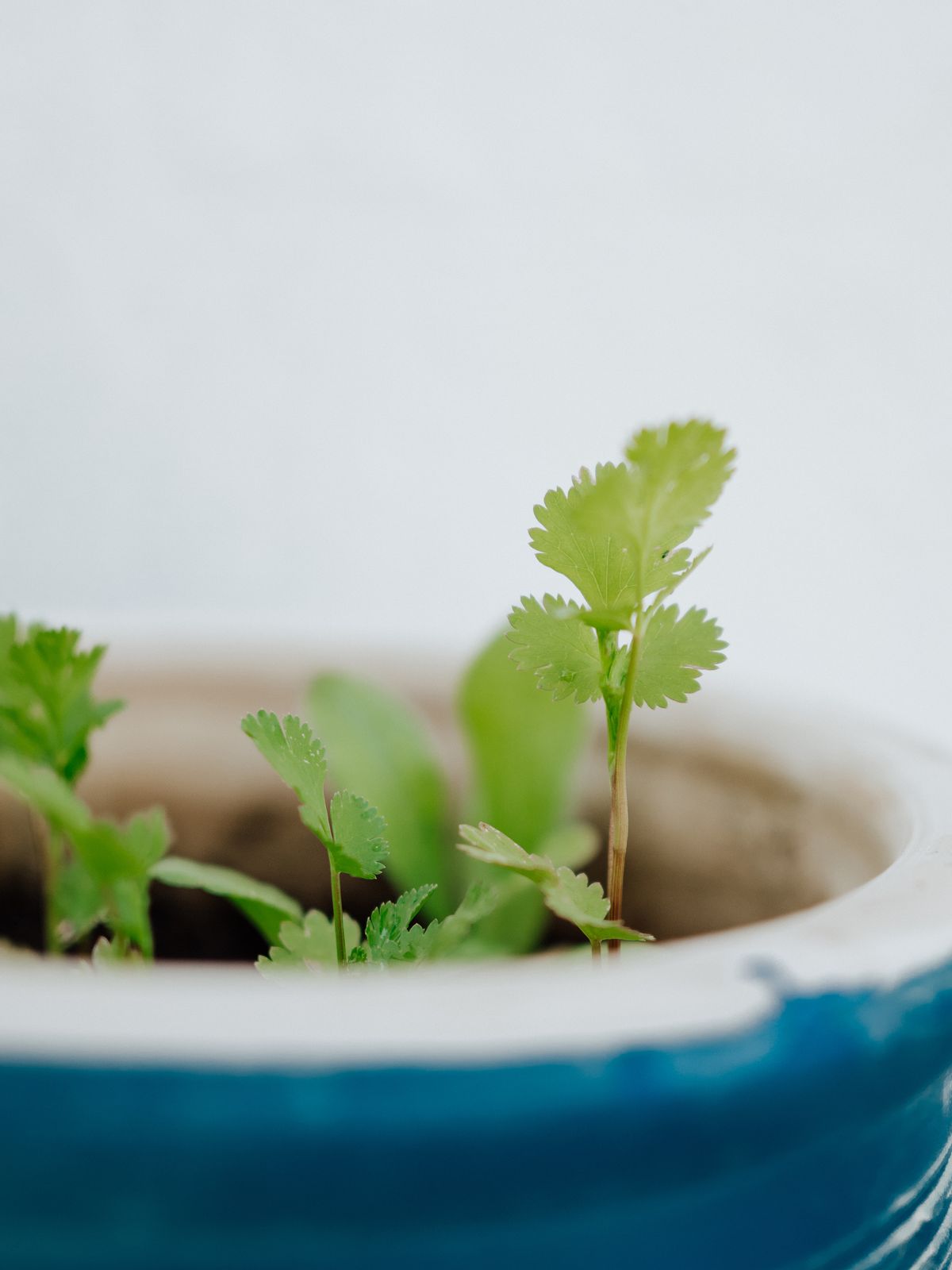
Cilantro forms a taproot and can be set back by rough transplanting. Direct sowing avoids disturbing it. Prepare a loose, well drained bed or a pot with enough depth for the roots and open drainage holes. Moisten the soil or mix before sowing. The round, tan unit sold as a seed is a dry fruit that commonly contains two seed units. Give the new shoots enough room to separate as they grow.
Follow the packet depth, often around a quarter to half an inch. Drop seed into a short furrow and cover it lightly. Water with a fine stream so the row stays in place. Keep the surface from drying completely while you wait for emergence. If you start plants in cells, choose deeper cells, move them while small, and keep the root ball intact. An older plant with a cramped root is already on the way to a shorter leaf harvest.
Once seedlings have recognizable leaves, thin them according to how you intend to use the crop. A close group may work briefly for small leaves, but give plants room if you expect to harvest from them over several visits. Wider spacing also makes it easier to reach the center of the row and see what is going to flower. Keep a few plants farther apart for seed if you have the space. Mark those separately so you do not cut the developing flower stalks by habit.
Use short rows to make the timing visible
Try a pair of labeled sowings if you have never grown cilantro at the start of summer. Put one pot in the sun and the other where it gets shade after lunch. Use the same mix and cultivar. Note the first day that each pot has enough leaves to pick, then look for the first stretched flowering stem. A few days of extra leaf harvest may justify moving the next batch. If the shaded pot takes considerably longer to make enough leaves, try a location with more morning sun during the next mild period.
Sow a fresh row about every two or three weeks while the weather suits cilantro. Use a shorter interval if you want a frequent supply and the first batches are small. In warming weather the younger row may catch the older one. Compare actual growth rather than following a calendar strictly. Put the sowing date on each label. Once you see how long one row took to produce a handful of leaves, you can plan the next sowing around that number.
Water the soil when it starts to dry below the surface. Frequent drying can stress the plants and shorten a useful picking period. Keep the root zone moist enough to support soft leaves without letting water stand around the roots. In a container, water thoroughly and allow drainage. In a bed, a light mulch around established plants can help if it does not crowd the stems. Use a narrow watering nozzle to reach the base without pressing all the foliage flat.
When a row grows pale, look at the soil, light, and spacing first. A tightly packed row can produce weak stems even where nutrients are adequate. An exposed pot can heat and dry rapidly after a cool start. A fertilizer application may help if the mix is deficient, but it cannot stop the normal move to flowering. Give healthy plants moderate fertility and check the oldest row before deciding to feed every pot.
Pick broad leaves from the outside
Cut a few outer stems from a healthy plant and leave its center intact. Use clean scissors and avoid pulling hard enough to loosen the root. If you need a large harvest, take a whole plant or cut from several and give the remainder time to recover. Wash the leaves under running water before use and trim any damaged stem ends. The tender stems have useful flavor as well as the broad leaves.
Take a close look when the center starts to stretch upward. A tall stem with fine leaves is the beginning of flowering. You can still use sound foliage if you like the taste. Cutting off the flower stalk can remove it from the immediate harvest, but it rarely restores a long period of broad leaves once the plant has shifted. Pick what is useful and turn to the next row. If no second row is ready and the weather is hot, wait for a cooler sowing window instead of trying to force the old plant back.
Check folded leaves for small insects if new tips look distorted. Inspect the undersides and the youngest stems. A strong water stream can damage a tender row, so use a gentle rinse if you need to dislodge a small colony. If you see recurring decline or brown patches, ask a local gardening service for identification. Keep the next sowing away from a seriously affected plant and start with clean mix or a fresh area where appropriate.
Keep a few stems for coriander
Avoid judging seed readiness by the first brown cluster. An older head can be dry while younger heads on the same plant are still green. Cut the dry clusters individually if you have time to check them every few days. Otherwise, gather the most mature stems together and keep the rest separate. Mark each bag with the date so you can open and inspect the older batch first. Thoroughly dry seed should feel firm and separate readily from the stems. Green or soft seed will need more time, and seed with mold or an off odor should be discarded.
Leave a little open ground under the seed plants if you want to see whether any seedlings emerge the following season. That is a convenient trial, but keep some dry seed aside so your next leaf crop does not depend on where the plants happened to drop it.
Let selected healthy plants finish flowering. Their little blooms can bring small beneficial insects into the garden. Give the taller stems some support if they bend into a path. Wait until the rounded seed heads begin turning tan and dry. Cut the heads over a paper bag before fully dry seed starts dropping everywhere. Let them finish drying in an airy spot out of strong sun and shake the seeds free once they are thoroughly dry.
Store dry seed in a labeled container and use sound seed for cooking. If you save it for sowing, keep a note of the parent plants and the year. A named variety may not produce identical seedlings if it crossed with other cilantro flowering nearby. Try a small germination sowing before depending on saved seed for the whole crop. Plan a new leaf row once mild weather returns. The dried seed will keep earning its space in the kitchen while you wait for the first fresh leaves.
Back to top