7 min read
Grow Strawberries in Pots Where You Can Reach Them
Give each crown room to breathe, choose a variety for the harvest you want, and keep the shallow root zone steady through fruiting.
On this page
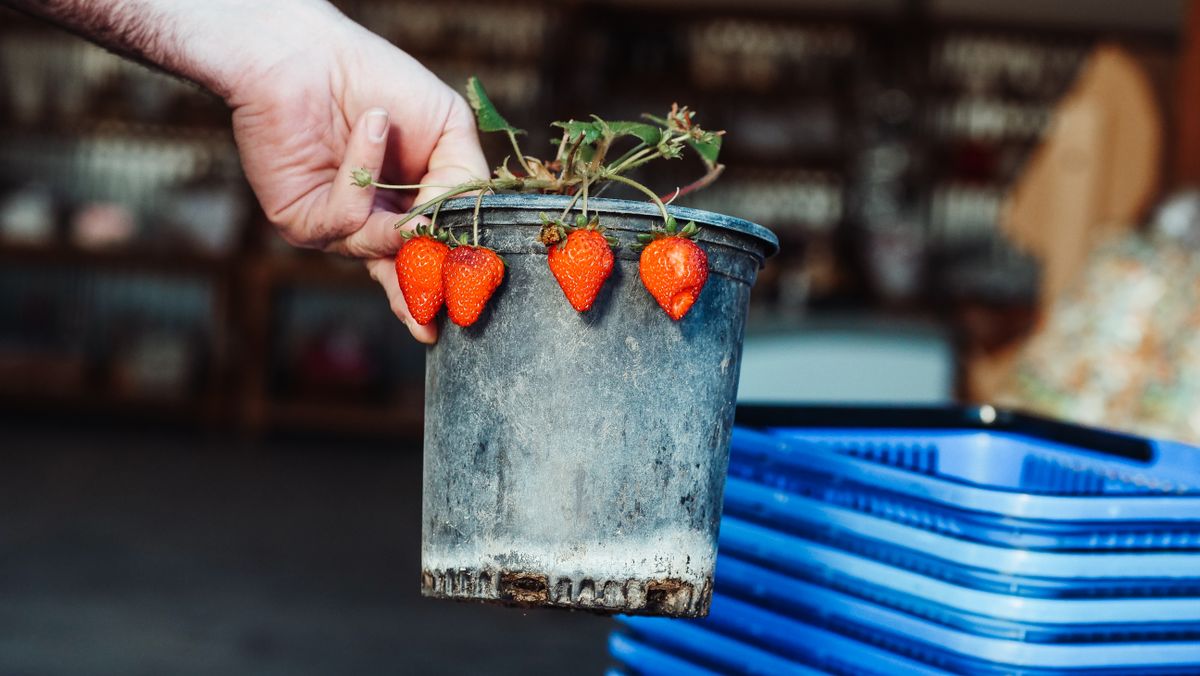
The first ripe strawberry in a pot is often hidden behind the leaf nearest the rim. You turn a stem gently and find the side that has been touching wet mix is already soft. A few simple decisions can prevent that disappointment: keep the fruit off damp surfaces, arrange the pots where you can check them easily, and give the plants enough root space to carry the crop. A container brings the harvest within reach. It also puts the roots at the mercy of every hot afternoon and every missed watering.
Pick a harvest pattern first
Look at local recommendations before buying plants. A cultivar suited to cool springs may struggle through warm wet weather where disease pressure is higher. June bearing types in many temperate climates give a concentrated harvest, the calendar varying with region and variety. Day neutral types can produce in flushes over a longer period when temperatures suit them. Some plants sold as everbearing have a different pattern again, so ask about the actual cultivar. If you have room for only two pots and want berries for breakfast over several weeks, a long bearing type may be the better choice. If you want enough at once for a dessert, a concentrated crop can be useful.
Buy healthy young crowns or plants from a reliable nursery. The central growing point should be firm. Look under the foliage for mites, spotting, or sticky residue. Do not buy a tray with clearly collapsing crowns just because one plant still looks sound. Bare root plants can be economical when planted promptly, but they need careful handling while their roots are exposed. Keep the roots from drying out, follow the supplier's instructions, and avoid letting the crown sit submerged for longer than recommended.
Check whether the supplier recommends removing early flowers. A weak new transplant often benefits when it establishes roots and leaves before carrying berries. Recommendations differ for June bearing and day neutral plants, for first year establishment, and for plants bought with fruit already set. There is no need to pick every flower off all strawberries all season. Make the decision for the condition and purpose of each plant. If a small crown can scarcely hold its leaves upright, prioritize establishment.
Keep the crown where air can reach it
Choose a broad container with drainage holes. A trough gives several crowns space along the rim, while individual pots make it easy to remove an unhealthy plant or move it out of the weather. Allow several inches between young crowns and more space as the supplier recommends for the mature variety. Use a proper potting mix rather than dense garden soil. A strawberry has a relatively shallow root system, but a very shallow pot leaves little reserve on a warm day. Avoid pockets so small that the roots fill all the available mix early in the season.
Set the point where roots meet leaves level with the mix. If the crown is buried, new growth can rot. If the roots stick out above the surface, they dry before the rest of the pot needs water. Spread bare roots down and outward in a hole deep enough that they are not bent up at the bottom. Water in, let the mix settle, and look at the crown again. Lift it slightly if it sank below the surface, or add mix over exposed roots without covering the growing point.
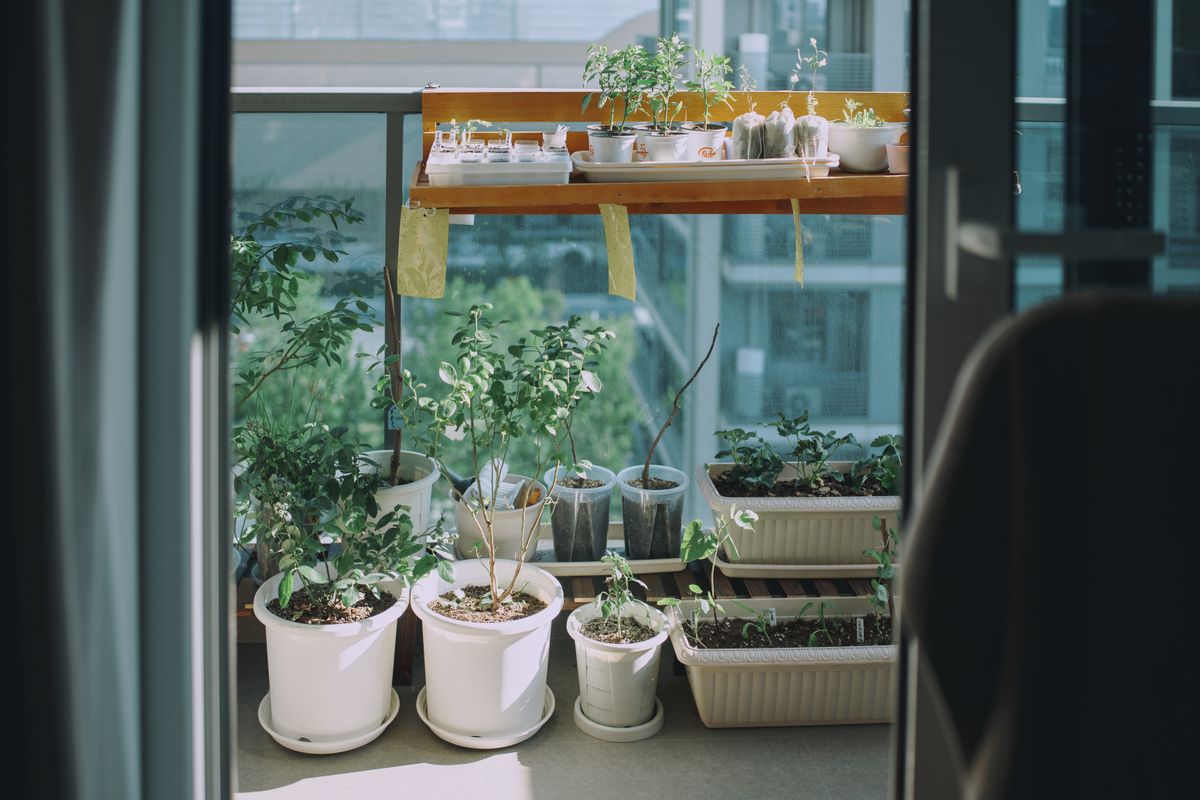
Give the plants good light with practical access for watering. Six or more hours of direct sun often supports good flowering and ripening, but in places with very hot summers, afternoon protection can help during the worst heat. Check conditions rather than assuming every variety responds alike. Set the container where air can move around it. Jammed against a wall or behind taller plants, leaves and fruit may stay wet longer. On a balcony, keep the pots secure and within the railing, with drainage arranged so it will not drip onto others.
Water for the fruit and the roots
Check the mix below the top regularly as flowers open and fruit swells. Water when the upper root zone begins drying, then let excess escape. A strawberry pot that alternates between very dry and saturated places a load on the roots just when the fruit is demanding steady water. A little surface dampness near a drip line is not proof the whole trough has been watered. Check at both ends and around several plants. In a tower planter, upper pockets can dry before lower ones. Test them separately and adjust where the water is applied.
Water at the base when you can. Wet fruit and dense leaves take longer to dry in cool or humid weather. If you water overhead, do it early enough for foliage to dry promptly. Leave room around each plant for a hand to reach the mix without breaking a fruiting stem. A thin clean straw layer can keep berries off the soil, provided it is not heaped over the crown. A pot with stems hanging over a clean rim may not need much mulch. Watch for slugs under the straw if damp weather continues.
Follow the mix and fertilizer labels for feeding. A mix containing a starter charge may not need immediate additional fertilizer. Excess nitrogen can favor soft leafy growth and make the plant harder to manage without improving your harvest. If growth is poor, check root moisture, light, and plant health before adding extra feed. When a young plant's leaves are yellow and its crown sits in a wet hollow, fertilizer is unlikely to fix the main problem.
Give runners a decision to make
Strawberry runners send out young plants that can root when they touch suitable mix. In a crowded pot, letting every runner root quickly fills the space. For a pot intended primarily for fruit, trim unwanted runners with clean scissors so you do not pull on the crown. If you want to keep one young plant, set a small pot of moist mix beside the parent and pin a plantlet gently in contact with the surface. Keep it attached until it has rooted and begun growing independently. Then cut the runner and label the new pot.
Propagate only from healthy plants, and check any restrictions on propagating patented varieties. If the parent has unexplained wilt, disease, or serious mites, do not use runners to carry the trouble into next year's containers. Watch where the runners travel before trimming. They can hide behind the container or root into a neighboring pot; an apparently crowded strawberry might actually have two young crowns rooted just beside it.
A good time to assess the pot is after a flush of fruit. Look for space between leaves and check how quickly the mix dries after a full watering. A root system packed against the sides may need a larger pot next season. A container full of small runners may need thinning rather than more fertilizer. Remove dead leaves that release easily, but keep healthy foliage to support the crown.
Catch trouble before berries disappear
Harvest in dry conditions if possible. Pick ripe berries with a little stem so the fruit is not torn. Strawberries do not gain much sweetness after they are picked, so let them ripen on the plant if weather and pests allow. Remove soft or moldy fruit promptly and check where it was resting. If one edge of the pot stays damp, lift fruit clear with clean straw or move the container so it receives better airflow.
Bird damage can look like a large clean bite. Slugs often leave irregular damage and trails. A fine, securely held wildlife safe cover can protect fruit after pollination, but check regularly that no animal can become trapped and that pollinators have access while flowers need them. A loose net draped on fruit may stop nothing. Where pests are not a major problem, frequent picking and a quick check of the stems can be enough.
Plan for winter before the first hard cold. Strawberry hardiness in a bed does not mean roots in a small exposed pot are equally protected. Ask about winter care in your climate. Moving a hardy dormant pot to a cold sheltered place, insulating it, or replacing seasonal plantings may be practical depending on the conditions. Do not carry an outdoor pot into a warm living room simply because it is cold outside. A cold dormant plant and a growing indoor plant have different needs. The record to carry forward is simple: which cultivar, which pot, what harvest, and where the ripe berries stayed dry enough to reach your hand.
Read the shape of an imperfect berry
A berry that stays small on one side may have been incompletely pollinated. The surface of a strawberry is dotted with individual fruits, and uneven development around them can show up in the outline of the berry. Cold or very wet weather at flowering can reduce insect visits, but feeding damage and physical injury can also deform berries. Look at several fruits and their flowers before drawing a conclusion. Open a protective cover during flowering if it excludes insects, and avoid spraying flowers. A few odd berries after a cold spell need no correction when later fruit fills normally. If nearly every fruit is malformed while the leaves and crown look healthy, note the timing and ask a local grower or extension service about pests and flowering conditions in your area.
Back to top