8 min read
Keep a Small Citrus Tree in a Pot
A grafted tree, strong light, and a pot you can move make it easier to keep citrus healthy through both summer and winter.
On this page
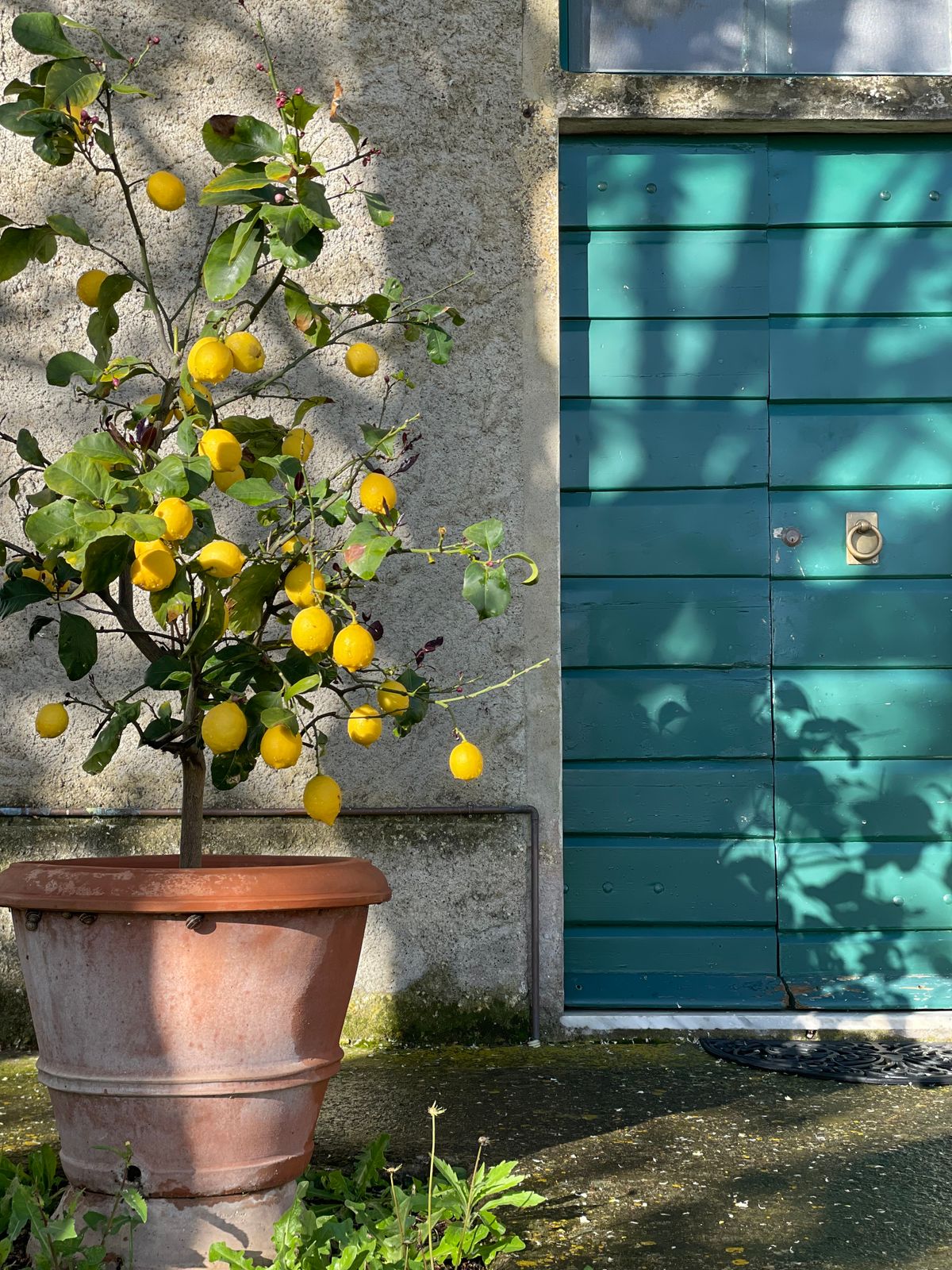
A little lemon tree at the nursery can carry enough fruit to look self sufficient. Once home, it has to grow new leaves, hold its fruit, and support roots in the volume of a bucket. Those demands change when it moves indoors for winter. The best container citrus setup is one you can maintain through the dim season as well as the sunny one. Think through the doorways, light, and winter temperatures before you choose the tree.
Start with a tree whose size you can manage
Ask for a named fruiting cultivar on a rootstock suitable for container growing. A grafted tree normally comes into bearing sooner and predictably produces the fruit of its cultivar. A seed from a store fruit might grow into a handsome plant, but can take years to reach flowering size and may not produce fruit like its parent. Calamondin, kumquat, and some lemons are common container choices; what does well near you will depend on summer heat, winter protection, and availability.
Find the graft union, usually a small change in shape low on the trunk. Look for firm new growth above it and inspect leaf undersides for scale, whiteflies, and mites. If the plant has an extremely tight root ball, ask how long it has been in that pot. Roots visible at drainage holes do not alone mean there is a crisis. A thick mat of spiraling roots, a wobbly trunk, and a root ball that will not take up water are more useful reasons to look closely. Read local rules about moving citrus. Some regions limit citrus transport to slow the spread of pests and diseases.
Plan how you will move it when it is twice as broad. Measure the narrowest door, and include space for your hands. A wide pot on a rated wheeled base can be easier to move than a clay tub, provided it will not roll in wind and the drainage holes stay clear. If the tree will live on a balcony, use a stable position inside the rail and check what load the structure permits. The tree, mix, and water all count.
Put the root ball in a pot that drains
Choose a container only moderately wider than the existing root ball when repotting. A large volume of mix with very few roots can stay wet after the tree has used the water around its original roots. Use an airy potting mix appropriate for citrus and containers. Dense outdoor soil can compact against the pot walls, and gravel in the bottom cannot repair a poorly structured mix. Clean blocked holes and raise the pot slightly if the base would otherwise sit flat on paving.
Keep the top of the root ball near its original level and the graft above the mix. Do not build a mound against the trunk. Inspect the roots as you repot and loosen the outside gently if there is a manageable ring of roots. Avoid a major root disturbance while the tree is already stressed from cold, heat, or a recent move. If you can water a healthy tree normally and it is actively making leaves, you do not need to repot on the day you bring it home.
Water the whole pot after planting and allow it to drain. Check the original root ball and the new mix independently for the first few weeks. The original material can be dry while the new mix is wet, or the reverse. Aim the next watering where the moisture is needed. If the pot is standing in an outer planter, take a look after every thorough watering until you know that no water is collecting below the nursery pot.
Make a summer and a winter light plan
Outdoors, citrus generally does best in strong direct light. In mild weather a spot with at least about six hours of direct sun is a reasonable starting target; more may help fruiting if the pot does not overheat and the plant is accustomed to it. The brightest place is not always the safest one. A light wall can throw heat onto a dark container. A corner that catches strong gusts can desiccate leaves and overturn a tall specimen. Prefer strong light with a stable base and some shelter.
Move a plant raised indoors gradually into direct sun over one to two weeks. Start with bright shade and morning light, then increase its exposure as conditions allow. Plants can burn in a cool breeze because the sudden light change, rather than air temperature alone, is what injures the leaf. Check after each move. A bleached patch on an older leaf will not turn green again, but healthy new growth tells you how the tree is coping.
Before cold weather, choose the brightest indoor location you can offer. Use suitable grow lighting if the room cannot provide enough natural light, and follow the lamp's distance and operating instructions. Keep branches away from cold glass and the drying air from a heating vent. A tree can shed leaves during the transition. Check whether light dropped abruptly, the root ball cooled while wet, or pests came indoors on the foliage. Keep changes steady while you diagnose. Repotting, moving again, and adding fertilizer all at once can make a correctable transition harder to understand.
Water according to the tree’s actual pace
In active outdoor growth, the root ball can dry quickly, especially when fruit is sizing. In a cool indoor room it can remain damp for a surprising number of days. Feel a few centimeters below the surface, checking farther down from time to time. Water thoroughly when the mix is beginning to dry in the occupied root zone and let excess run out. A little water added each day can keep the top damp while leaving the bottom dry, or can gradually keep the whole pot saturated.
If water rushes out immediately and a check shows the core is dry, water in slower passes several minutes apart. Look for a gap around the root ball where water can bypass the middle. If the mix remains persistently wet, correct the drainage or wait longer before irrigating. A yellow leaf is not an instruction to water. Sudden yellowing with a sour smell from the container suggests a root issue; yellowing between the veins of some newer leaves can have nutritional or pH causes. Check the circumstances before applying a treatment.
Feed actively growing citrus with a product intended for container citrus, according to the label. Apply it to appropriately moist mix as directed. Do not double the dose because a tree looks pale. A cool tree with little light may have limited ability to use nutrients, and salts can build up in a pot. Inspect the surface for crusting and the drainage for blockages. A regional nursery or extension service can help distinguish a genuine nutrient problem from root stress.
Learn what the tree can carry
Small white flowers are a sign that the tree has reached a different stage, not a guarantee that every blossom will become fruit. Most commonly sold lemons and kumquats can set fruit without a second tree, though cultivar details vary. Indoors you can move pollen gently between open flowers with a small clean brush if insects are absent. Observe the plant before taking on the job; a tree that sets fruit outdoors may not need help at all.
Some small fruit naturally drops. A young tree with little foliage can also be asked to carry too much. If stems bow sharply or growth has stalled while several fruits are swelling, thin the crop thoughtfully. Support a loaded branch with a suitable stake if necessary and check the tie as the branch thickens. Remove vigorous shoots from below the graft because they are growth from the rootstock. Prune mostly for damaged or awkward branches and to maintain space around the plant. Severe pruning can take away the leaves that fuel the crop.
Inspect regularly through winter, especially where a leaf meets a stem. Sticky drops on the sill or clusters of bumps can indicate sap feeding insects. Isolate the tree from other indoor plants if you find an infestation and identify the insect before choosing a response. If a treatment is needed, choose one labeled for the pest and edible citrus and follow all directions. If a suspicious disease could be regulated in your area, consult a local plant health authority before moving or propagating the tree.
Keep a note of when it flowers, when you move it, and how long the root ball takes to dry. The date on which one cultivar ripens can differ substantially from another. Learn the normal appearance and flavor of yours. The first useful milestone is not the first fruit. It is the first winter after which the tree still has the vigor to put out a fresh flush of leaves.
Keep a record of the coldest corner
An inexpensive thermometer near the leaves will tell you more than the heating dial in another room. Check it near dawn during the first cold week and again when sunlight hits the glass. A sill can be cooler overnight and warmer in afternoon sun than the rest of the room. Avoid letting the pot sit against glass or on a surface chilled by an open vent. If you move it back slightly to avoid cold, compare the light at the new spot and use supplemental light if necessary. Write down where the tree stayed steady through winter. You can repeat that position without trying several new rooms each year.
Back to top