7 min read
Growing Lavender Where Winters Are Wet
Raise the root zone, choose a sunny site with a clear outlet for rain, and leave green growth when you prune.
On this page
A sunny bed can look ideal for lavender in July and become a different place in December. Rain runs off a paving edge into the soil, the lower end of the bed stays glossy wet and a plant that flowered for weeks now stands over a cold root zone. Before buying another lavender to fill a gap, walk the garden after a long rain. The places where water leaves and where it collects tell you more about winter survival than the shape of the bed on a dry day.
Watch where water sits after a storm
Check the bed during rain if you can do it safely. Look at where a downspout empties, where paving slopes and whether a wall concentrates water at the foot of the planting. Return a few hours after the rain stops and check again the following morning. Puddles can form briefly in a low spot and still drain. An area that stays saturated well after the rest of the garden has begun drying is a poor fit for lavender. Dig a small test hole nearby once the ground is workable. Dense wet soil that smears on the spade gives you a clue about conditions below the surface.
Give lavender plenty of sun and room for air to move. A hedge that drips into the bed and shades it in winter adds to the problem. A sunny raised edge near a path may be a better place if the path does not shed water into it. Check how high the plant will sit relative to the surrounding grade. You want the roots above the area that usually fills with water and a route for excess moisture to move away from the mound. A raised pocket surrounded by an impermeable edge can still behave like a basin.
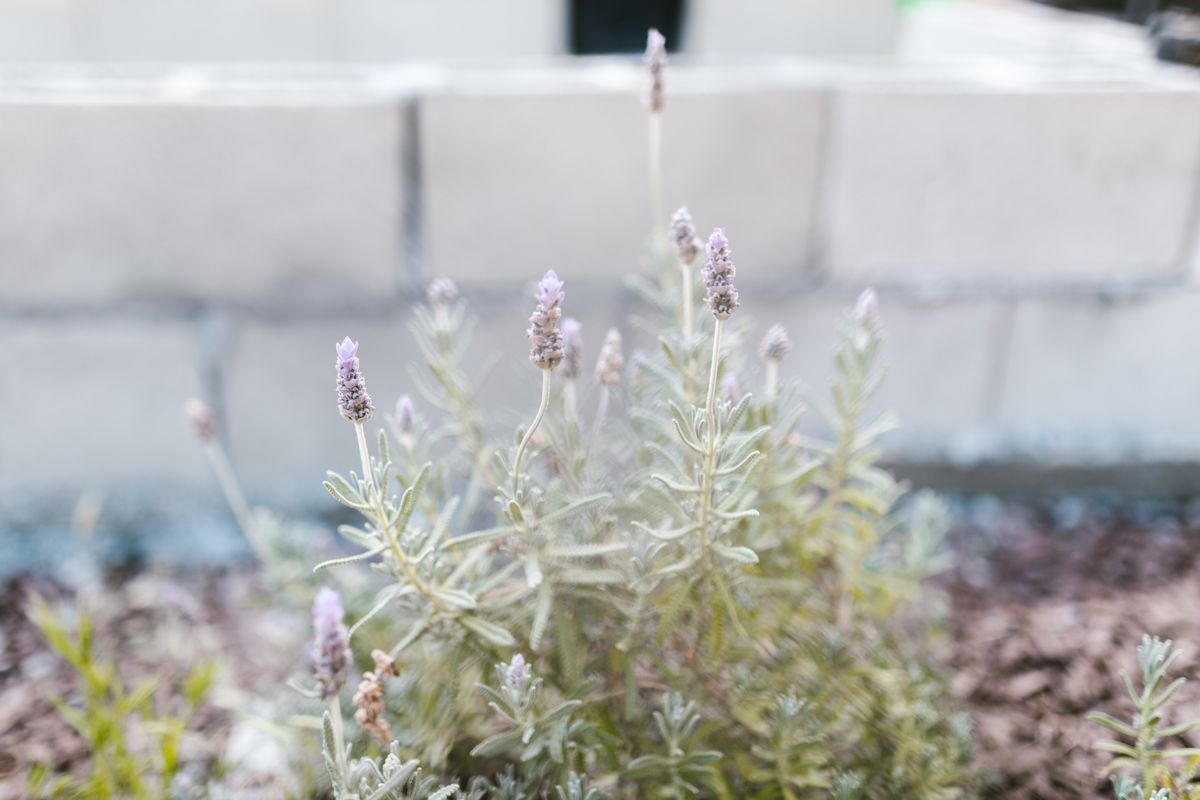
Choose a cultivar suited to winter temperatures as well as drainage. English lavender, Lavandula angustifolia, and some hardy hybrids are common starting points in cold climates. Compare the cultivar's hardiness with your local winter conditions and consider exposure. A pot on a cold windy terrace can be harder on roots than a sheltered bed. French and Spanish lavenders have distinctive flower shapes and often need a milder winter. Check the actual plant label, since common names are used differently in different places.
Plant on a broad mound or use a container
In a heavy bed, build a wide mound roughly eight to twelve inches above the surrounding soil where space and drainage permit. Blend it gradually into the ground and keep the sides open so rain can drain. Use a freely draining material that still holds enough moisture for establishment. Prepare the whole rooting area rather than digging one hole and filling it with a sharply different material. A pocket of loose soil in slow draining clay can catch water coming from the rest of the bed. A wide raised bed with an open bottom and a clear outlet is often easier to manage.
A container gives you control when the whole site stays wet. Choose one with large clear holes and enough room for the plant's mature roots. Lift the pot slightly on feet so drainage openings stay above the paving. Use a well drained container mix suitable for Mediterranean plants, with coarse mineral material if needed to give it air. Set the pot where it can get sun and where winter rain can be reduced later if necessary. A rain shadow beside a wall may work if it remains bright and the roof does not direct water onto the plant.
Select a young plant with healthy growth at its base. Avoid one that already has a sour smelling root ball or soft stems. Set it out in spring when the soil has warmed and plants have time to establish before winter. Slide it out of its pot and loosen any tight outer roots that will easily separate. Place the top of the root ball at about the level of the new mix. Keep the woody base clear of mulch and leaves. Water the planting to settle the roots and then check how quickly the area drains.
Water a new plant while the roots spread
A small lavender fresh out of its pot cannot draw moisture from the whole mound immediately. Check both the original root ball and the soil beside it during dry weather. The young roots need time to spread, and the original mix can dry before the heavier ground around it. Water thoroughly when the root zone is drying, then allow excess to leave. During wet periods, skip irrigation and check the underside of a container for blocked holes. As the plant establishes in the ground, it will usually need less supplemental water.
A lavender in a pot keeps using the limited volume inside the container. During a hot windy week, check its mix before watering. Pour until water leaves the bottom and empty any saucer or cover. In winter, a pot may need shelter from persistent rain. Move it to a bright ventilated place out of the heaviest rainfall and check periodically that the mix has not gone completely dry. An unheated protected position can help in a mild climate. In a region with severe freezes, choose suitable cold protection for the container and the particular cultivar.
Most lavender grows well with modest fertility. Freshly amended rich ground can encourage soft growth, so check the condition of the plants before feeding. Keep organic mulch away from the stem base in a wet site. A thin mineral surface can keep foliage away from damp soil and make fallen debris visible. It cannot fix a saturated root zone. If the bed still holds water after a redesign, move the plant to a better position instead of burying it in more amendment.
Trim the plant while there are green shoots to keep
After the main flowering period, remove old flower stems and shorten a little of the leafy growth. Work around the plant in sections and keep a layer of green foliage on each branch. Lavender commonly regrows poorly from old bare wood. A plant that has gone woody in the center may benefit from several light trims while its green outer portions grow. A hard cut into all the bare branches at once can leave the plant with few places to recover.
Time pruning for local conditions. In a mild area, a trim after bloom can keep the mound compact. Where severe cold arrives soon after flowering, avoid encouraging a lot of tender growth just before winter. In spring, wait until you can see where live growth is starting before removing winter damage. Scratch a small doubtful stem lightly to check for green tissue if you need to decide whether it is alive. Remove dry broken pieces first and reassess the outline before making shaping cuts.
If you want a spare from an old favorite, try a few young nonflowering shoots in a well drained propagation mix. Keep them lightly moist and give them bright filtered light while they form roots. Label each batch, since young plants can look similar. A rooted spare gives you something to plant into the drier part of the garden the following spring. It is also an opportunity to compare two locations without moving the whole established specimen.
Look for roots emerging from a pot's drainage openings in spring. If they have grown into soil beneath the container, free them before moving it. Raise the pot on a stable base and check that water can leave all sides. A spot that drains during a short shower can behave differently in an all day rain.
Check the plant after its first wet winter
Inspect the base when you see dead patches. A few exposed shoots may have been damaged by cold or wind. Widespread darkening near the crown, a soft base and wet soil point to a root or crown problem. Check whether runoff changed after a storm or whether leaves blocked an outlet. Remove badly decayed plants and address the site before replanting. Where one plant survives and another nearby fails, note differences in elevation, wind and shade.
A plant that has survived can still be moved if the site has proven awkward. Work in mild spring weather and keep a generous root ball. Set the plant into a prepared place with space around its canopy and a clear route for water. Keep it lightly watered during establishment and watch the new growth. A dry summer may make two sites look equally suitable. The next prolonged rain will tell you which bed leaves the crown clear and which makes you reach for the shovel again.
Keep a photograph of the winter bed as well as the summer flowers. When you choose where to expand the planting, the winter image will show the low pockets and runoff lines that can be hard to remember months later. One plant on a dry raised edge can grow into a useful size in a way a row of replacements in a saturated border cannot.
Consider neighboring plants when laying out a raised strip. A perennial that wants frequent irrigation may be easier to manage on the other side of the path. Leave space between mature shrubs so you can reach the woody bases after a storm. Clearing dead leaves there is a small job when you have room to work from the front.
Back to top